| 2019
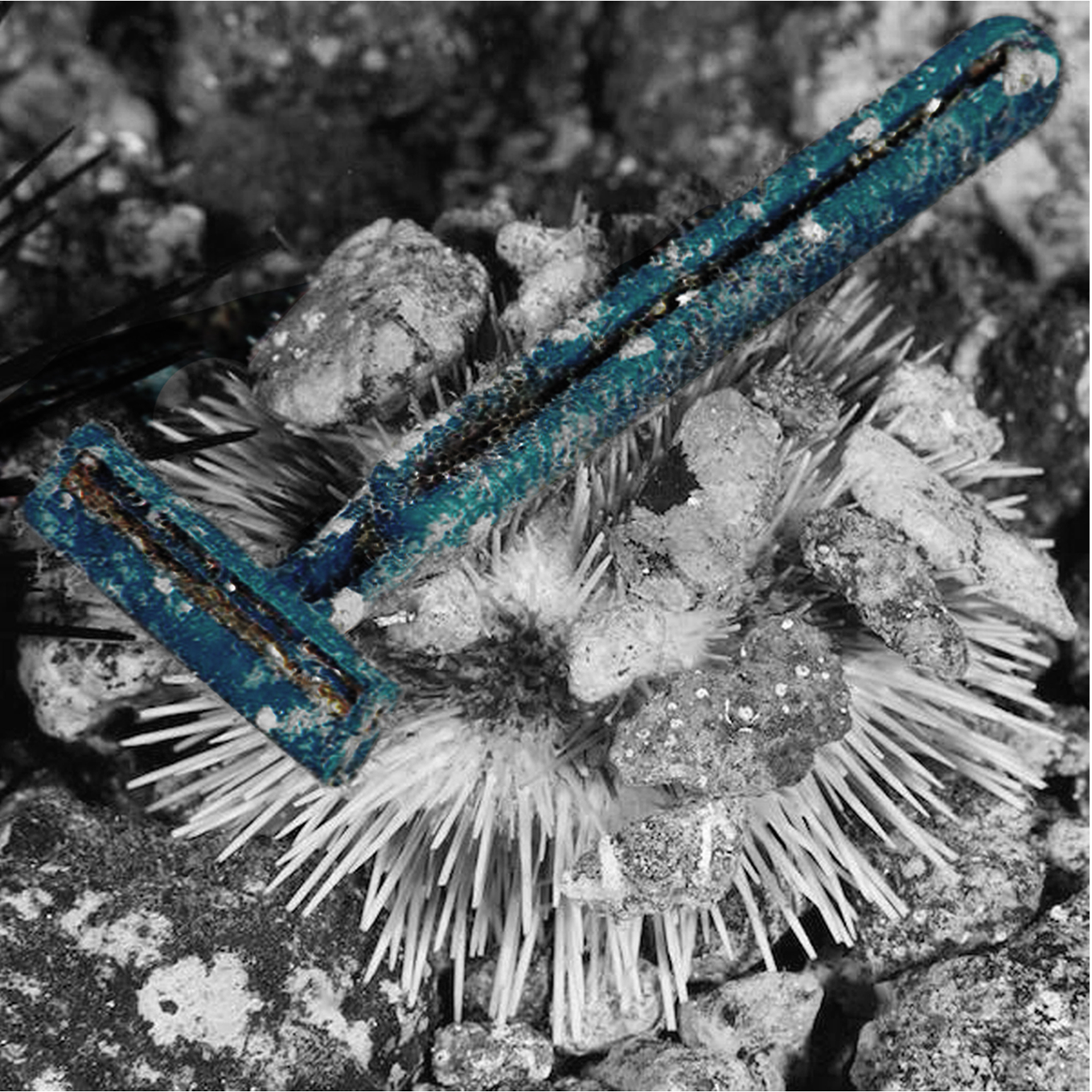
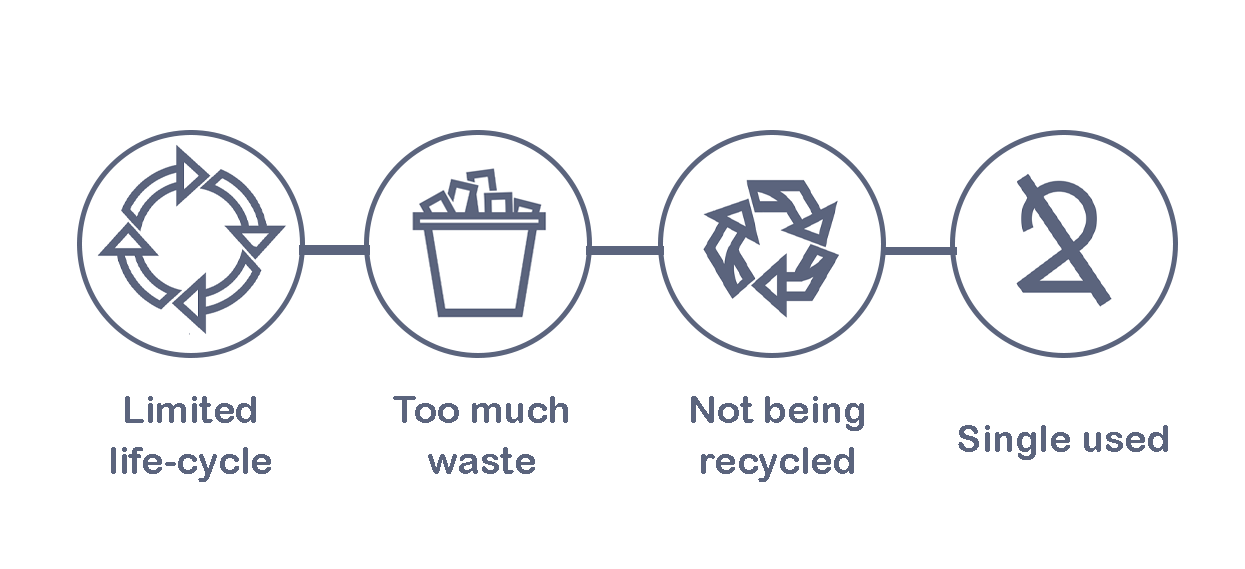
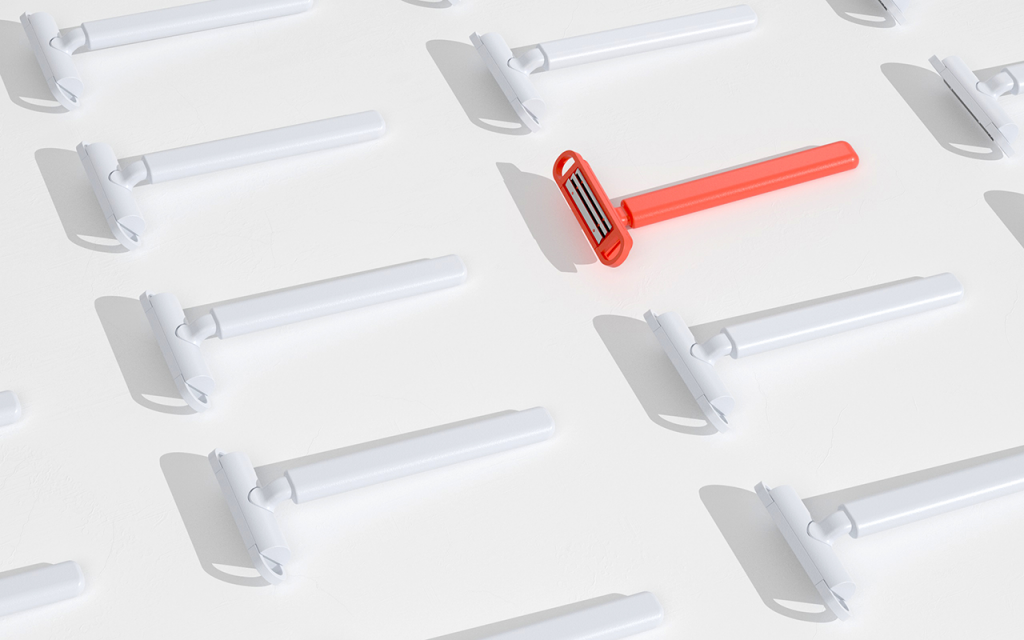
The bulk of disposable razors is non-biodegradable, leading to billions of pieces of hazardous waste ending up in landfills every year. Razor blades will rust away into nothing, leaving behind the plastic handle and casing for dozens, perhaps hundreds of year
Design insight
- Close the blades’ gap
- Multiple usage
- Facilitate the gap
- manufacturing process
- Interaction
- user’s experience
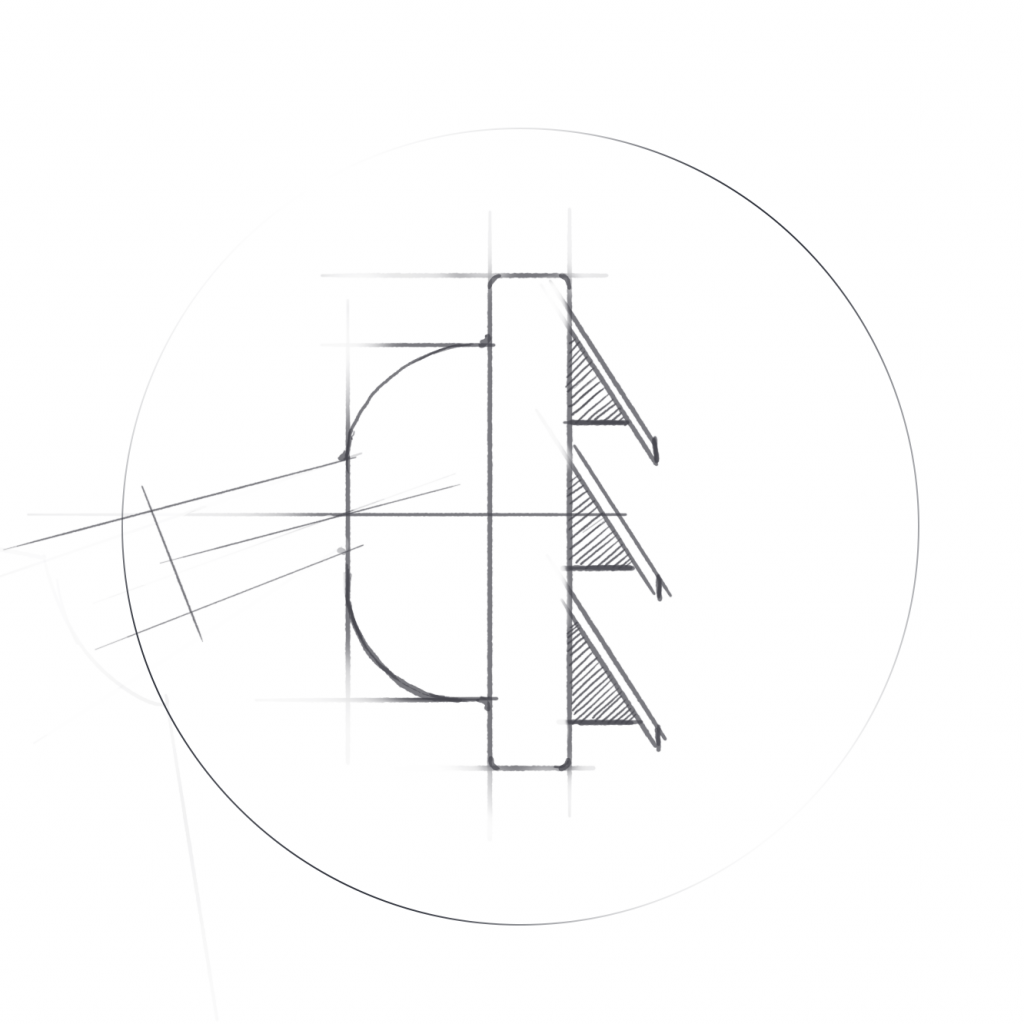
Change the previous product as little as possible to expand this product’s life cycle
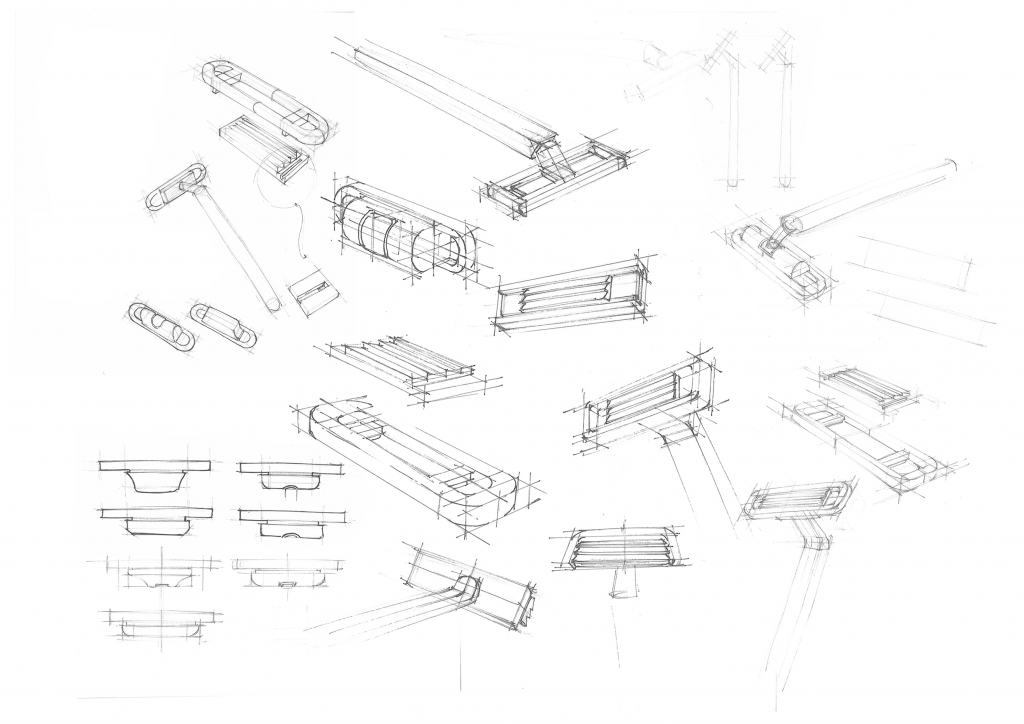
These products have been fashioned for one-time use, although many people use these razors more than once. after the first usage, the gap between the blades would be filled with dirt, which makes it harder to use the next time. One of the methods of protecting the environment is altering the pattern of consumerism. The goal is with the smallest change, to expand the product life.
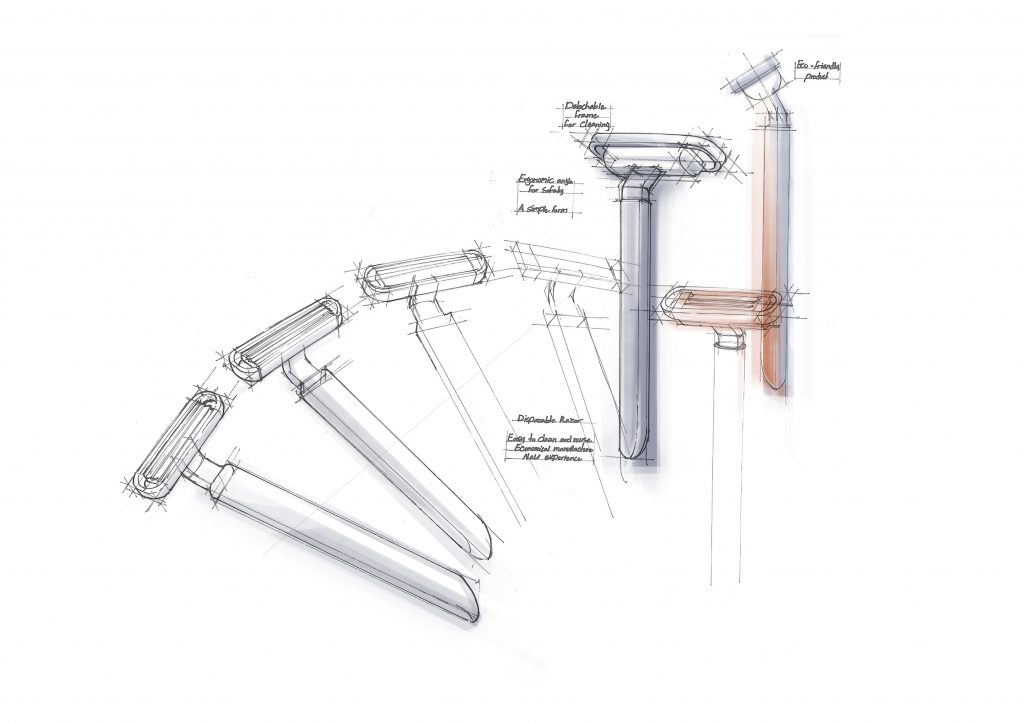
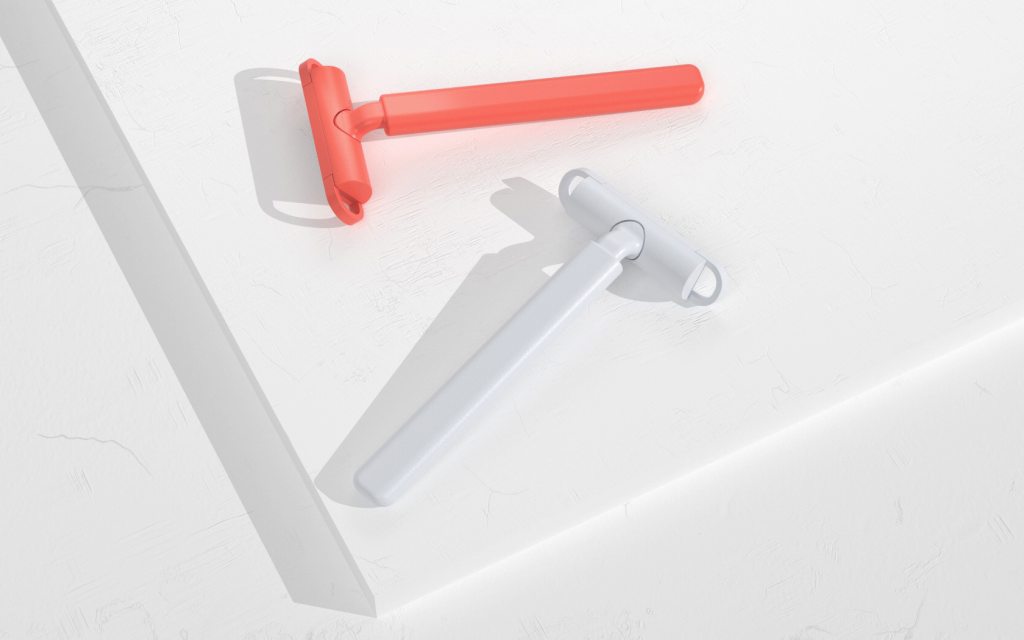
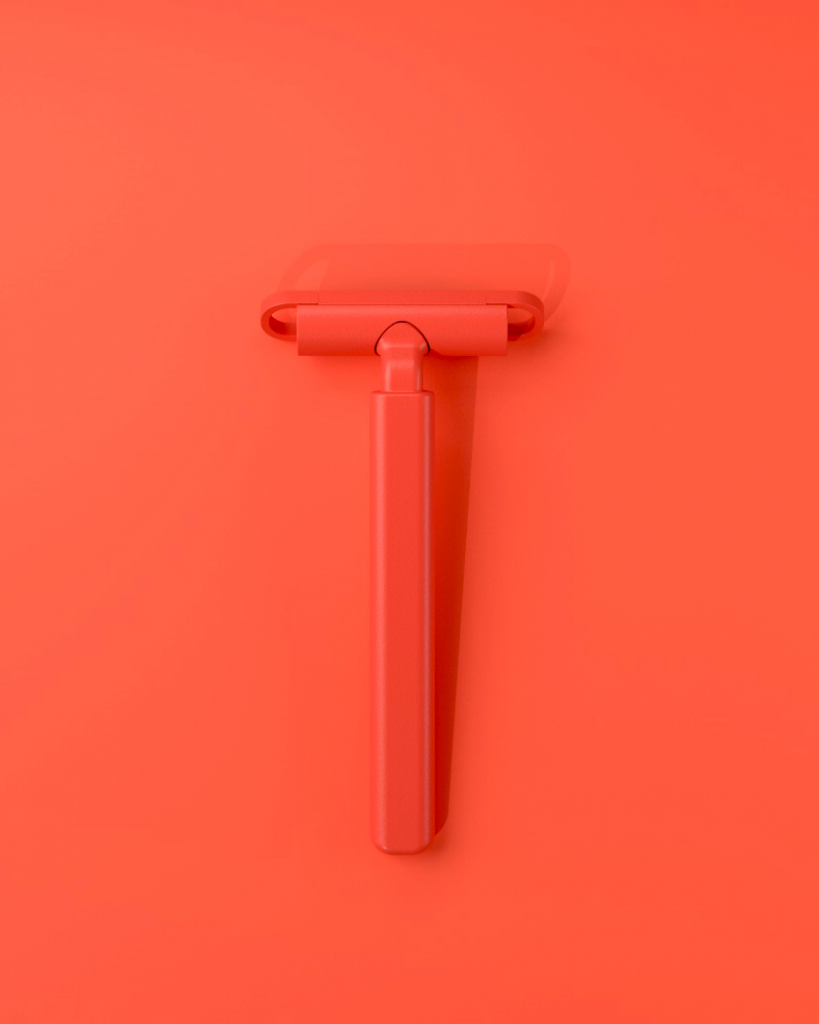
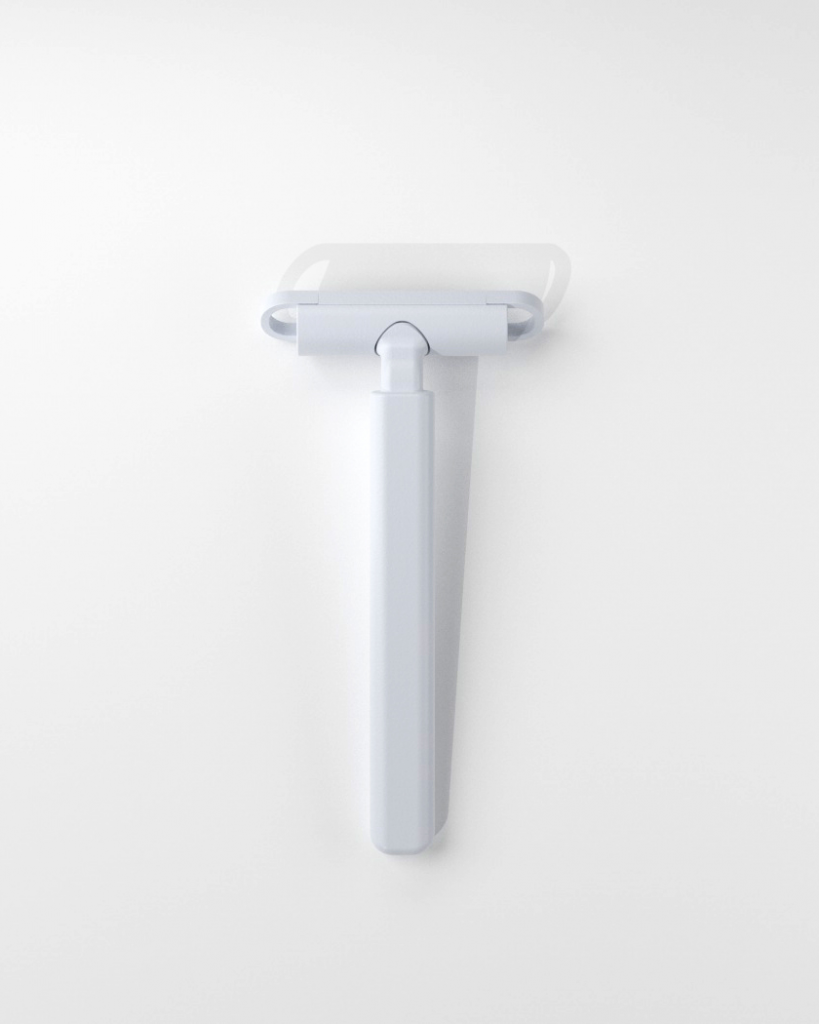
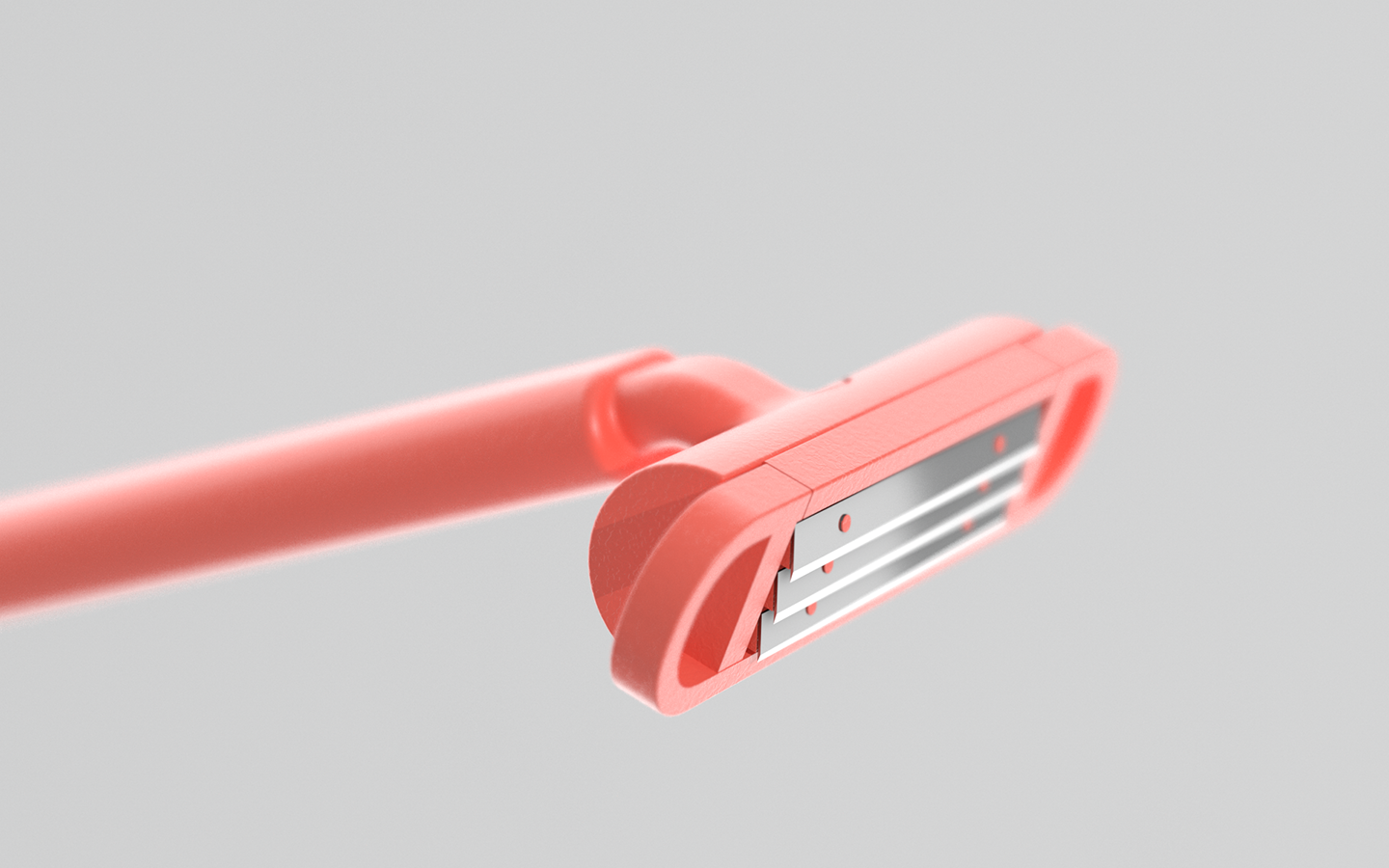
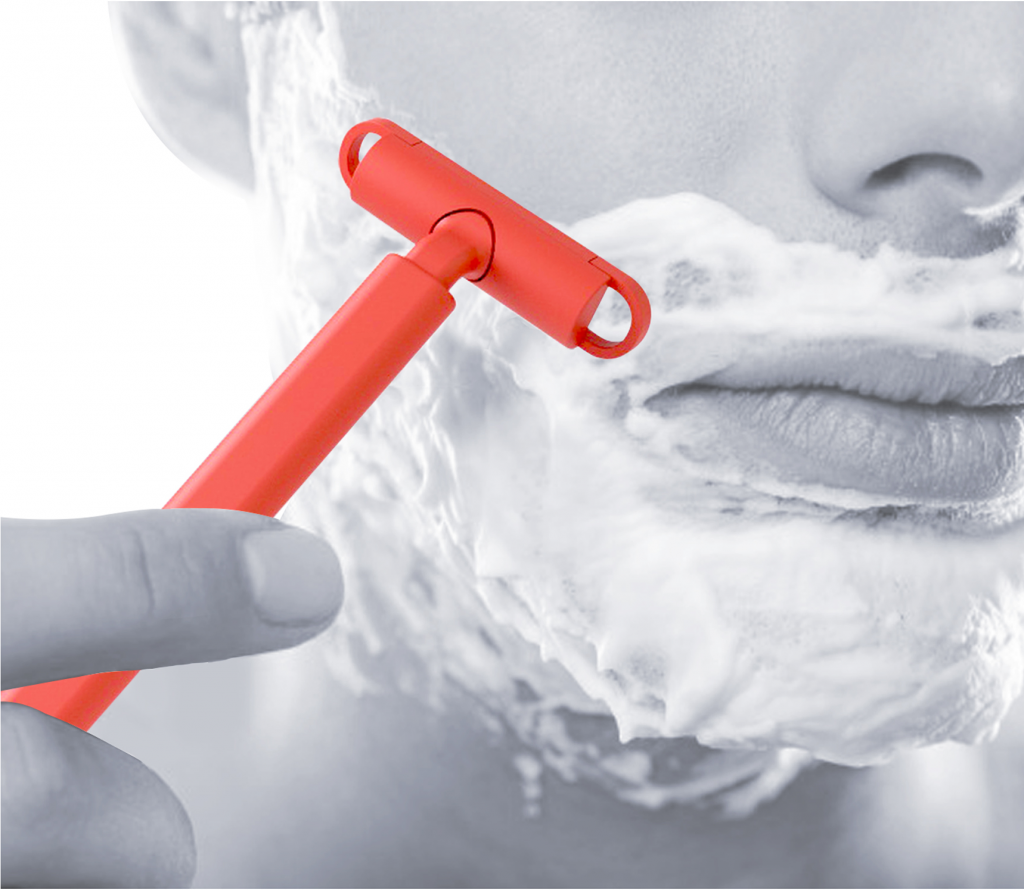
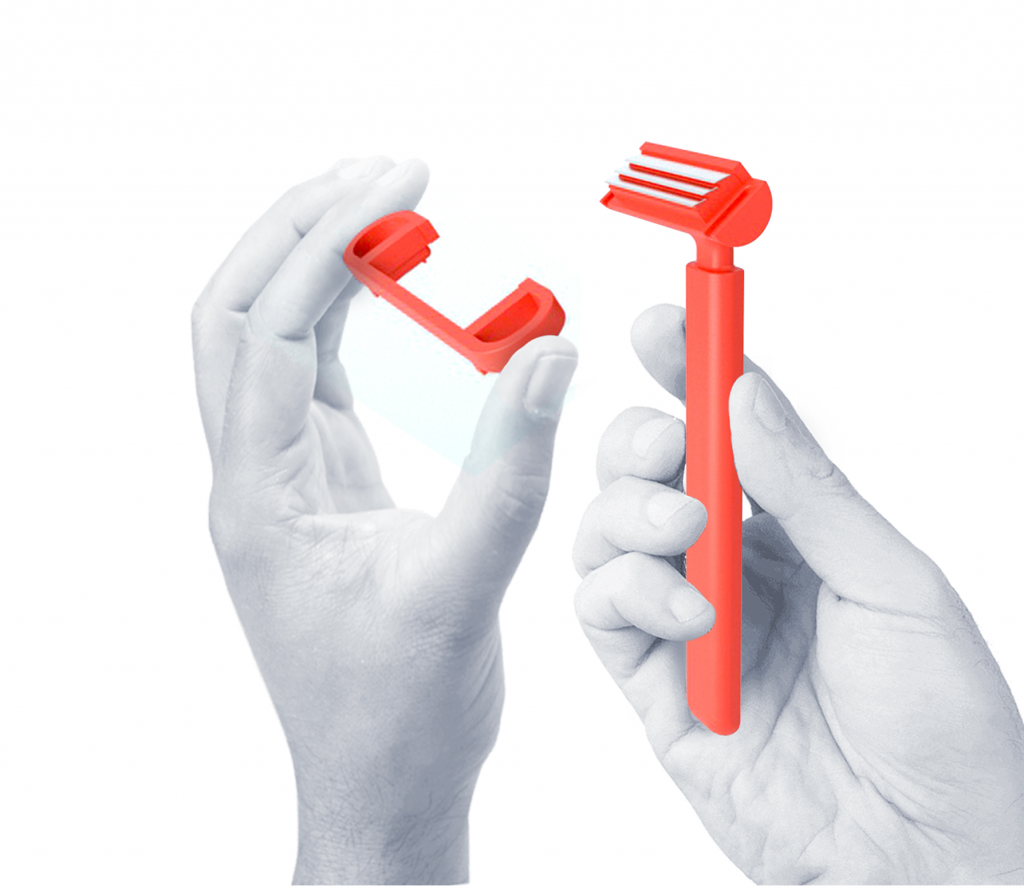
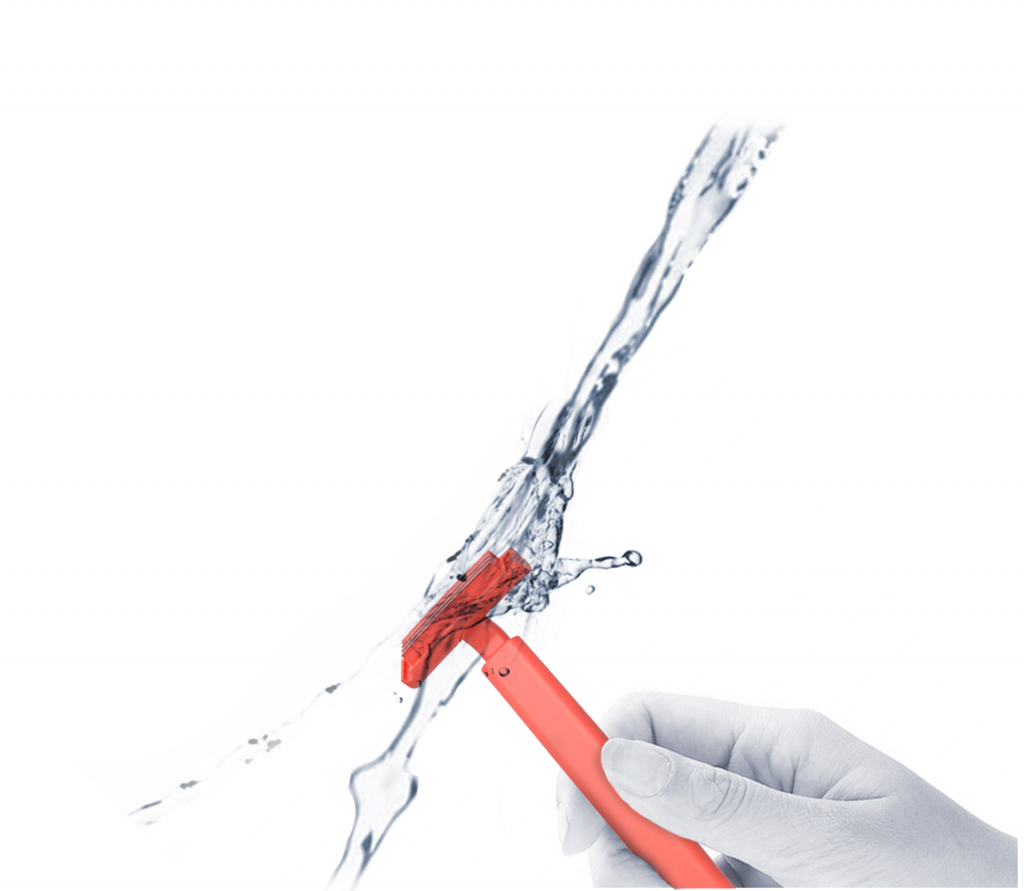
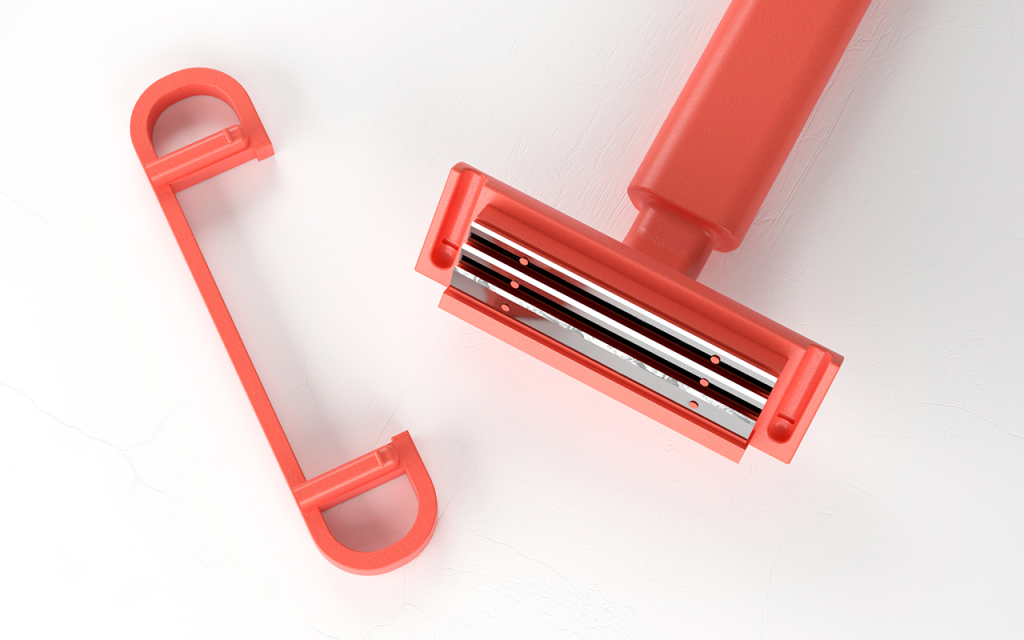
Neat Blade represents a longer-life product by simplifying the design of disposable razors. users can easily wash the razor and use the product multiple times. first, shave the face and body like shaving with the normal razor, then separate the frame from the main body. The frame protects fingers from blades. Eventually, users can wash razors from the sides
Though not categorized as “single-use,” billions of plastic razors end up in landfills each year. Razors are sharp objects that can’t be recycled because they’re made from mixed materials. A standard disposable plastic razor is good for three to 10 shaves before it gets blunt, and clogged then off to the landfill, it goes. Additionally, constantly purchasing new razors means more waste created from plastic and cardboard packaging.
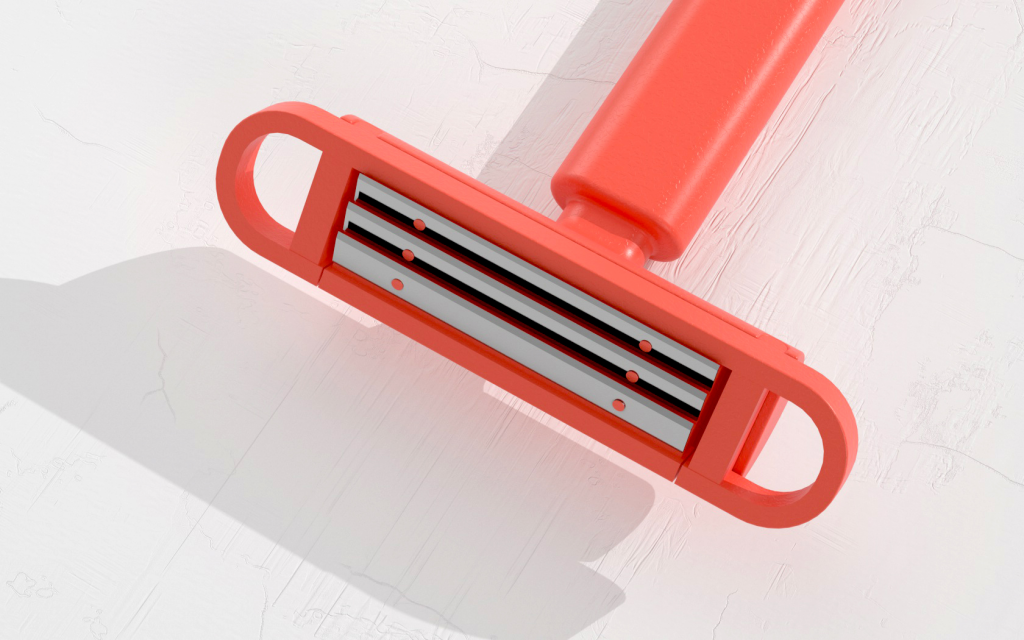
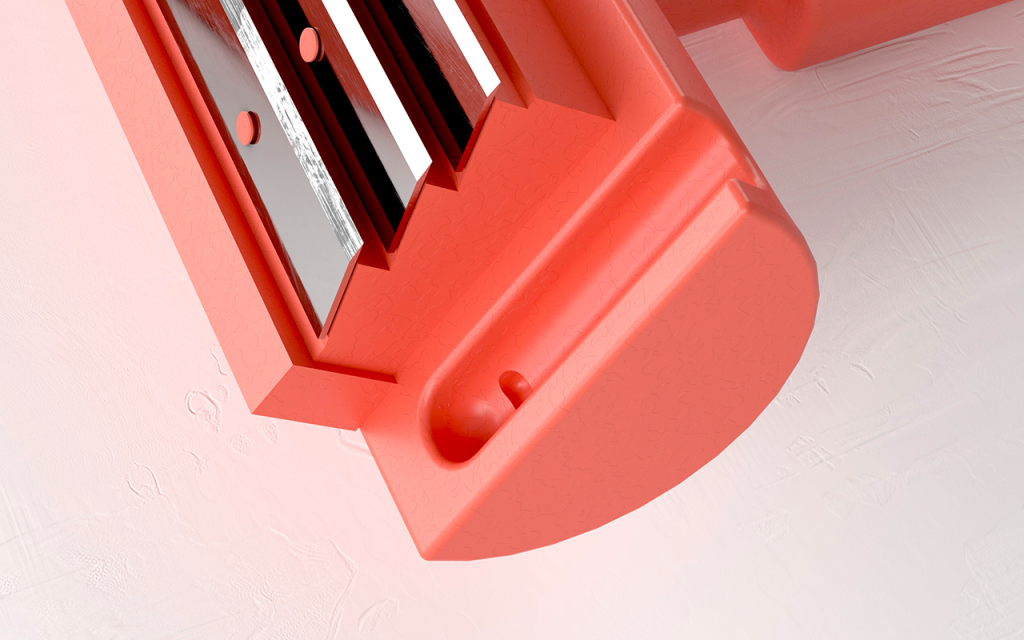
By closing the gap between the blades, no dirt would be trapped. Easily, by washing the razor, users can get rid of the dirt and they can use the